Maintenance
Why Regular Servicing Keeps Your Used Car Running Reliably
2026-03-23
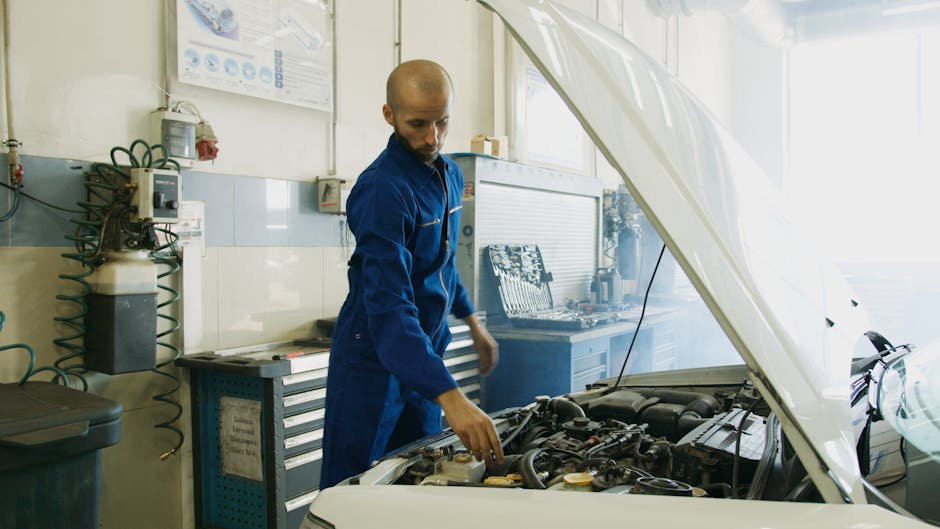
Regular servicing is the single most important thing you can do to keep a used car running reliably and maintain its value. Yet many owners view servicing as an unnecessary expense rather than essential investment.
Understanding servicing helps clarify its importance. Servicing involves replacing fluids, filters, and checking components to maintain optimal performance. Oil changes remove degraded lubricant that accumulates contaminants over time. Air filters prevent dirt from damaging the engine. Cabin filters keep the interior clean and healthy.
Engine oil degrades gradually as it circulates through the engine. Contaminants accumulate, viscosity changes, and protective additives deplete. Fresh oil maintains proper lubrication, reducing friction and wear on engine components. Neglecting oil changes leads to engine sludge, increased wear, and eventual failure—a repair costing thousands of pounds.
Fluid checks during servicing catch problems early. Low coolant indicates possible leaks. Discoloured brake fluid suggests moisture absorption, reducing braking effectiveness. Dark transmission fluid indicates wear. Early detection prevents catastrophic failures.
Preventative maintenance is far cheaper than reactive repairs. Replacing brake pads during servicing costs perhaps £150-300. Ignoring worn brakes until they fail can mean replacing brake discs, calipers, and potentially damaging wheels—costs easily exceeding £1,000. Similarly, timing belt replacement during scheduled servicing costs £300-600. A broken timing belt typically causes complete engine damage, costing £3,000-5,000.
Regular servicing identifies developing issues before they become serious. Worn suspension components, deteriorating hoses, or failing sensors become apparent during inspection. Addressing these issues promptly prevents further damage and maintains safety.
Reliability improves dramatically with regular servicing. A well-maintained car is significantly less likely to break down unexpectedly. This matters enormously if you depend on your car for work or family responsibilities. The inconvenience and costs of unexpected breakdown far exceed scheduled servicing expenses.
Resale value reflects maintenance history. Buyers actively seek cars with complete service records, viewing them as lower risk. A car with documented servicing commands premium pricing compared to identical vehicles with patchy histories. When you eventually sell, this investment pays dividends.
Insurance companies sometimes offer discounts for vehicles with complete service records, reflecting the lower risk of breakdown or accident due to mechanical failure.
Following manufacturer recommendations ensures your car receives appropriate servicing intervals. Most modern cars require servicing every 12 months or 10,000-15,000 miles. Some newer cars with synthetic oils can extend intervals to 20,000 miles, but always check your handbook.
Keeping detailed service records protects your investment. Note dates, mileage, work completed, and costs. This documentation becomes invaluable when selling and demonstrates your commitment to proper maintenance.
Regular servicing isn't an expense—it's insurance against far more costly repairs and a guarantee of reliability when you need it most.